Practical building advice
Planning a home renovation in Liverpool: what to decide before you get quotes
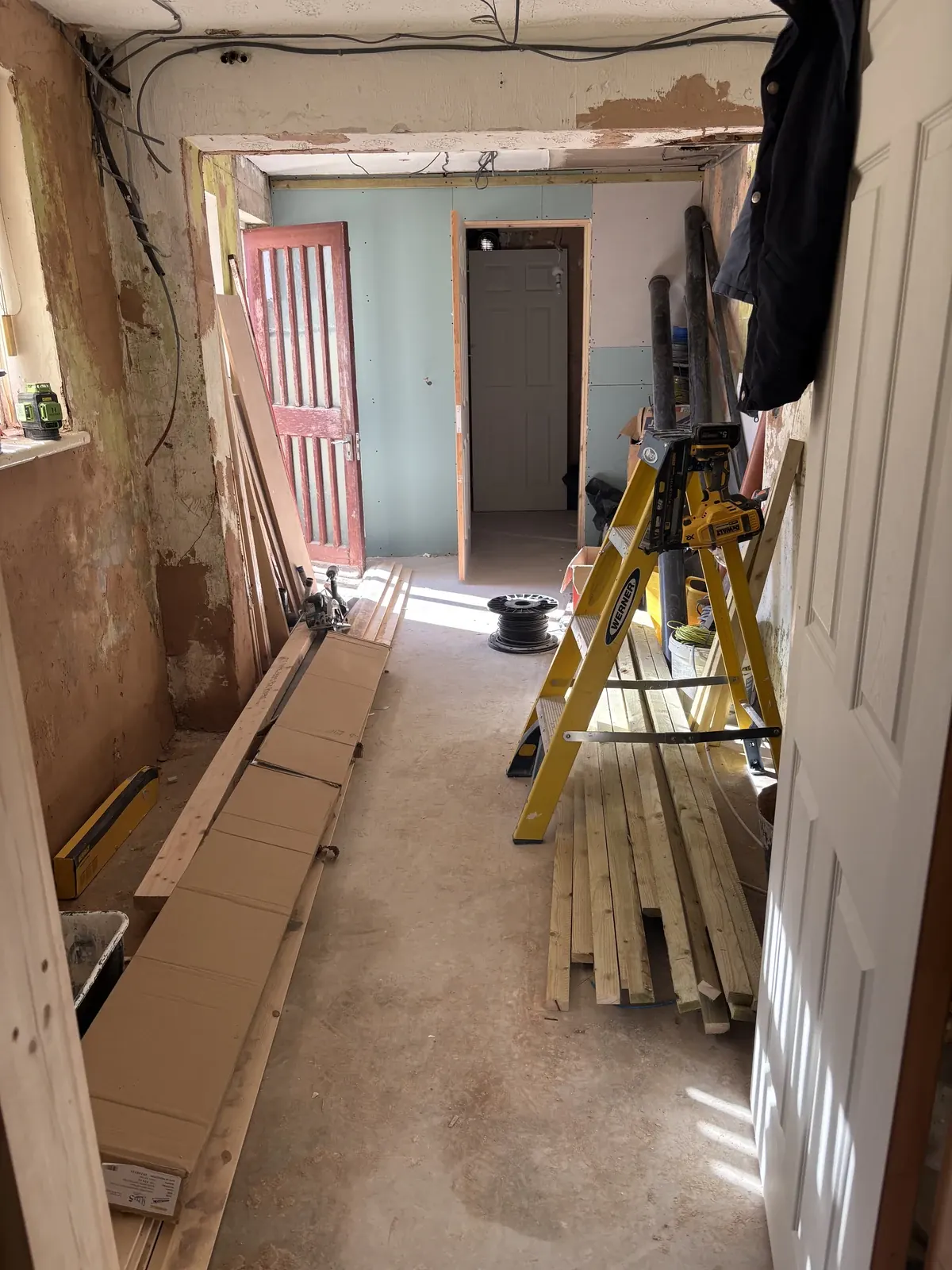
Before asking builders to quote for a home renovation, prepare a short brief, a realistic budget range and the details of any permissions or drawings. Explain what needs to change and how you want the house to work. That gives a builder something useful to assess and helps you compare the proposed work with fewer surprises.
For properties in England. Guidance links checked .
Your starting brief
Start with the problems you want to solve
Write a short brief in everyday language. Explain how you use the house, what frustrates you and what a successful result would look like. Separate essential repairs from improvements you would like if the budget allows. Fixing a leak and adding a second bathroom are different decisions, even when they form part of the same project.
Add photographs, rough room measurements and any drawings you already have. Include details that affect access, such as a narrow passage, shared entrance or limited parking. Tell the builder if you plan to stay at home during the work, especially if you have only one bathroom or need a working kitchen.
Permissions and scope
Check permissions before fixing a start date
Planning permission and building regulations approval are separate matters. A project can avoid a planning application and still need building control involvement. GOV.UK recommends checking the approval requirements before carrying out relevant building work.
Guidance: GOV.UK: Building regulations approval.
Liverpool City Council explains that some householder projects fall within permitted development, subject to limits. Householder permitted development rights do not apply to flats and maisonettes, and an Article 4 direction can remove particular rights. If your home is listed, in a conservation area or has previous planning conditions, check the position for your address before making commitments.
Guidance: Liverpool City Council: Permitted development.
For a Wirral property, use Wirral Council’s planning and building control guidance; for a Chester address, use Cheshire West and Chester Council. Agree who will arrange any drawings, specialist advice, applications and inspections, and who will pay the associated fees.
Guidance: Wirral Council: Planning permission; Wirral Council: Building control; Cheshire West and Chester Council: Permitted development.
If the work affects a shared wall or involves excavation close to a neighbour’s building, check whether the Party Wall etc. Act 1996 process applies before fixing your programme. It can require advance notice separately from planning permission.
Guidance: GOV.UK: Party walls and building work.
Use the site visit to make the scope clearer
Walk through the rooms with your brief to hand. Ask what can be assessed straight away and what needs further investigation or a specialist. A photograph cannot confirm every condition behind a wall or beneath a floor. If an element remains uncertain, ask how it will be investigated and how that uncertainty appears in the price.
Discuss the finish as well as the main construction. Removing a wall may also involve moving sockets, making good the ceiling, matching flooring and redecorating adjoining surfaces. These details change the amount of work and help explain why apparently similar quotations differ.
Budget and next steps
Build a budget around the whole job
Share a realistic budget range and ask what it could cover. Keep a separate allowance for unresolved items rather than spending every pound on the visible finishes. There is no useful universal price for a renovation without understanding its scope, condition, access and specification.
Ask the quotation to identify inclusions, exclusions and allowances. Check removal of waste, protection of existing rooms, plumbing and electrical work, plastering, decoration and final cleaning. Confirm whether VAT is included where applicable, what you will supply yourself, and how changes will be priced and agreed.
Plan the practical side before work begins
Discuss the likely sequence, product lead times and the points where you will need to choose or approve something. A provisional programme should acknowledge outstanding permissions, investigations and deliveries. Tell the builder about holidays, working from home and any dates when access is difficult.
Before accepting, bring the agreed scope, payment stages and responsibilities together in writing. Know who your day-to-day contact will be and how questions will be recorded. A clear starting brief gives everyone a better chance of making the renovation work for your home.
Your questions
Do I need drawings before speaking to a builder?
You can start with photographs, rough measurements and a clear brief. Whether formal drawings or specialist design are needed depends on the work. Discuss that early, particularly if you want structural alterations.
Does permitted development mean no building regulations checks?
No. Planning permission and building regulations approval are separate. Check both for your proposed work before starting.
Guidance: GOV.UK: Building regulations approval; Liverpool City Council: Permitted development.
Can I stay at home during the renovation?
It depends on the rooms affected and the work involved. Discuss access, dust, noise, security and temporary kitchen or bathroom arrangements during the site visit.
What should I include in a renovation enquiry?
Tell us your postcode, a short description of the work, your preferred timing and budget range. Mention whether you will live in the property during the work. We can ask for photographs or drawings when we reply, or you can email them directly.